



The Pattern Behind a Good Fit
Businesses that do well with rented websites tend to share three traits. Their owners have more money than time, or at least less time than they would need to run a site themselves. Their website needs are fairly standard: explain the services, show the area served, make it easy to get in touch. And they value predictable monthly costs over a larger payment up front.
Industry matters less than those three. A solo electrician and a new bakery can both be excellent fits; a software startup with complex product pages usually is not, whatever its size.
If you want a quick read on your own situation, the six-question fit check on the home page gives a rough lean in under two minutes.
New Businesses
A new business has a chicken-and-egg problem: it needs to look credible to win its first customers, but it has not yet earned the money to pay for that credibility. Renting can break that loop. A professional site goes live in weeks, and the cost arrives as a monthly line rather than a lump sum taken from working capital.
The risk for new businesses is committing to a long term before knowing how the business will evolve. Your services, prices and even name may change in year one. Favour shorter minimum terms, keep the domain in your own name from day one, and keep your own copy of every page's text so a later move is simple.
Trades
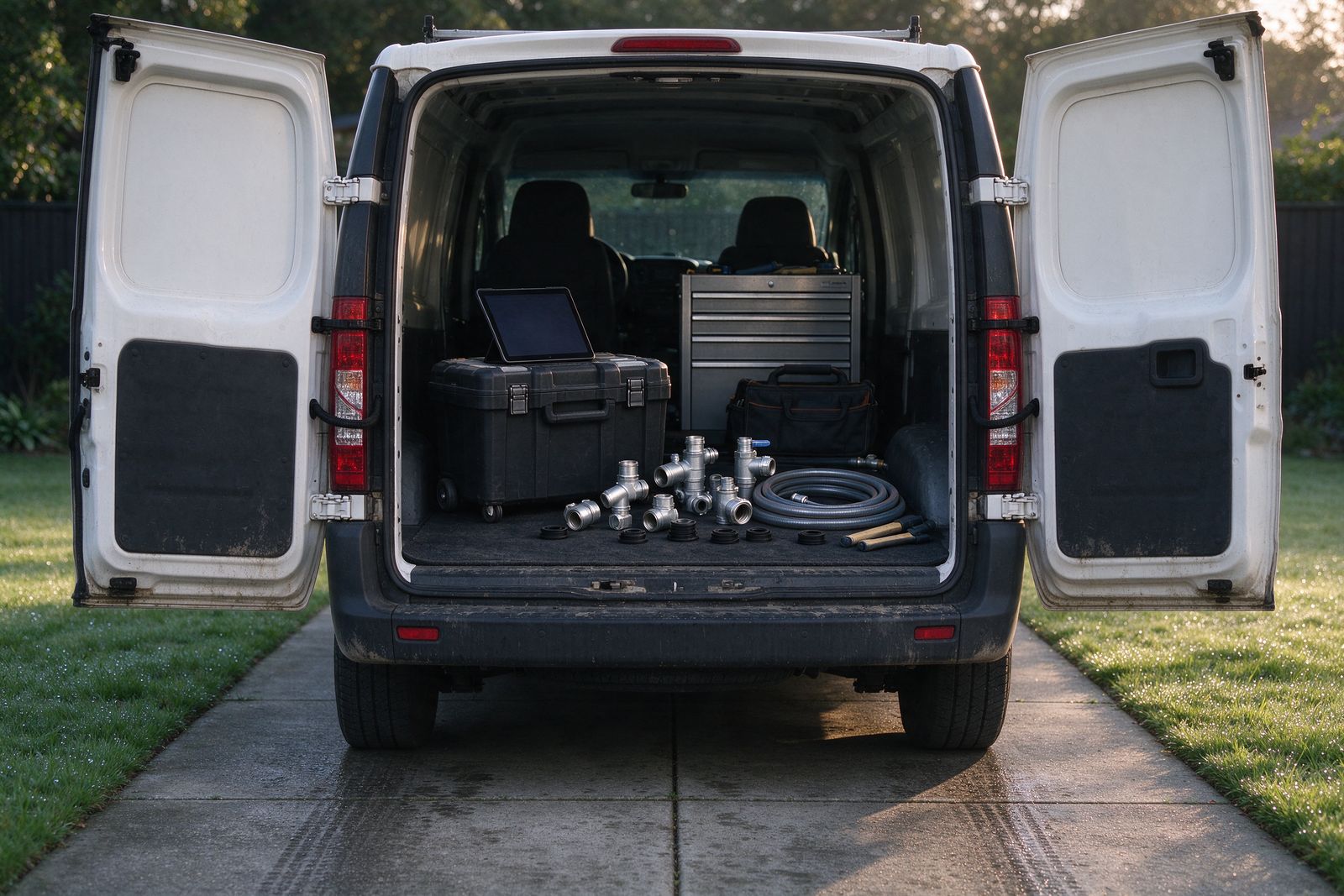
Plumbers, electricians, roofers, HVAC technicians and other trades spend the working day on site. The website matters, because customers check it before calling, but nobody wants to spend evenings updating it. That is the case where renting often makes the most sense: the provider handles updates and security, and you send a quick message when something changes.
Two things deserve extra care in the trades. First, your domain is often printed on vans, uniforms and quotes, which makes losing it especially expensive. Second, any licence numbers, insurance details or service areas on the site must be accurate, and only you can supply those. A provider can lay them out well; they cannot verify them for you.
Local Service Businesses
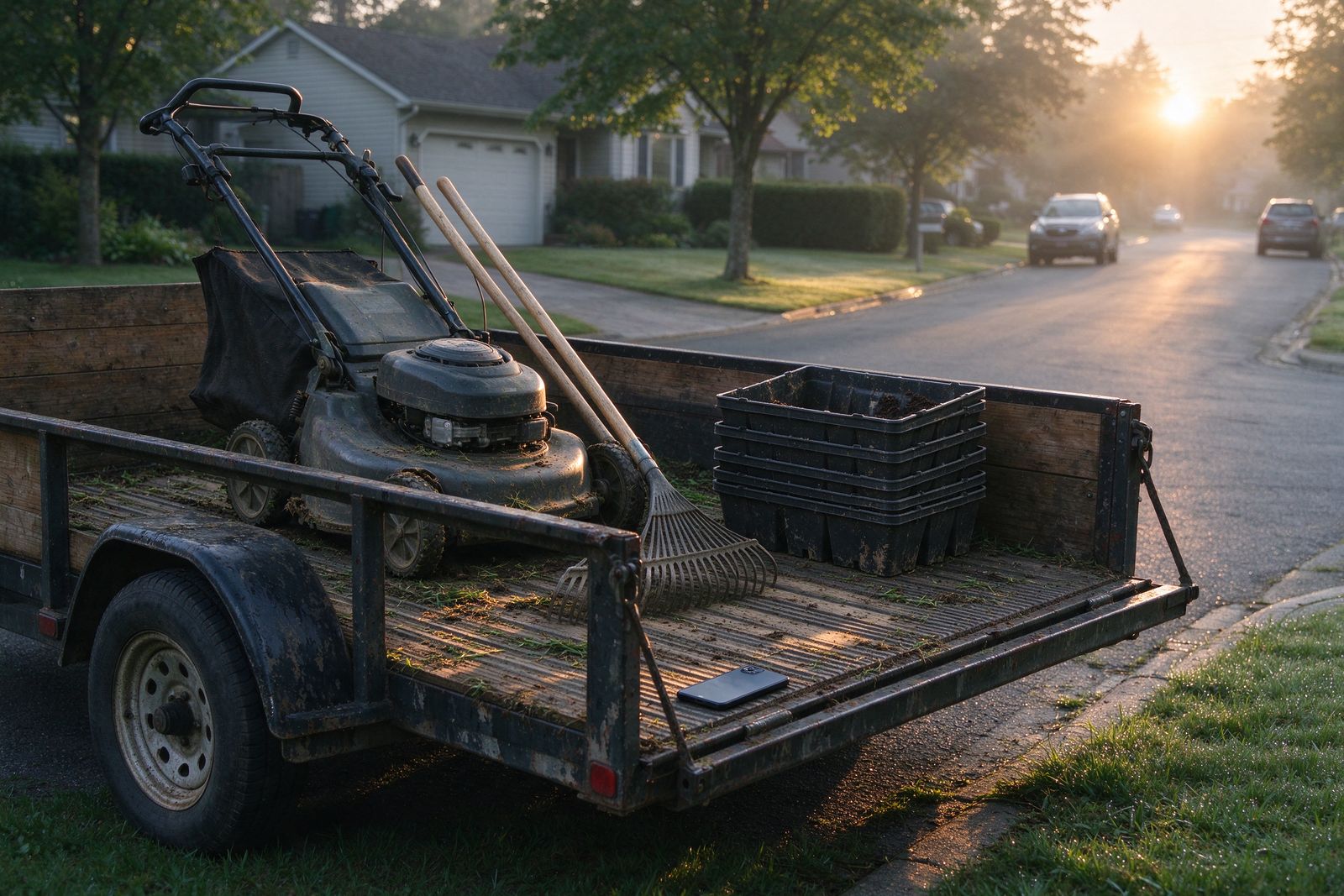
Landscapers, cleaners, salons, pet groomers, tutors, mobile mechanics: local service businesses mostly need a site that answers three questions fast. What do you do, where do you do it, and how do I reach you? A well-built rental covers that, along with the search basics that help local customers find you and the GEO basics that help AI answer tools describe you accurately.
Your website is only one part of being found locally. Listings, reviews and consistent business details across the web matter a great deal, and they are often outside a rental's scope. Ask what is included and plan for the rest.
When Renting Is a Poor Fit
The site is your product If you sell online at scale or your site has custom features, you probably want control of the code. Look at buying.
You enjoy the work If you like building and editing, a DIY builder may cost less overall. Count your hours honestly.
You expect big changes soon A long minimum term during a period of change can leave you paying for a site that no longer fits.
The terms are unclear If an offer will not answer the contract questions in writing, it is not a fit, whatever your business.
Questions to Settle Before You Decide
- How long do I realistically expect this website to serve the business before a big change?
- How many hours a year am I willing to spend on the site myself?
- Would I rather pay a steady monthly amount or a larger sum once?
- Is my domain registered in my own name today?
- What would it cost me to leave each option, and have I included that in the calculator?
If your answers point toward renting, read who owns a rented website before you sign anything. If you want to talk it through, get in touch.